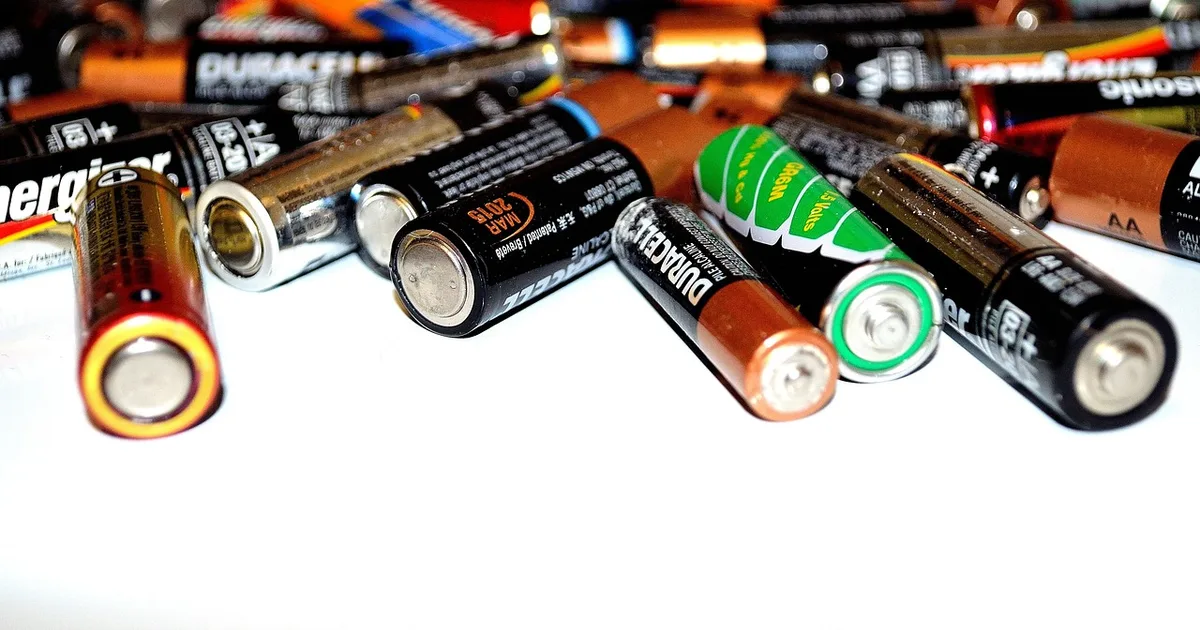
Alkaline vs Lithium vs Rechargeable Batteries: What to Buy in 2026
Alkaline, lithium and rechargeable NiMH batteries each have a job. Alkaline is the cheap default for remotes and clocks, lithium wins in the cold and in devices stored for years, and rechargeable cells win wherever you swap batteries every few weeks. The right choice depends more on the device than on the logo.
Alkaline vs lithium vs rechargeable batteries: which should you buy?
Start by sorting your devices into three buckets: low drain and rarely changed, high drain, and safety-critical. Everything else falls out of that.
I think most households overspend because they buy one type for everything. A premium lithium AA in a bedroom TV remote is wasted money, and a pack of cheap alkalines in a kid’s RC car is a recurring bill. Match chemistry to behavior and the monthly cost drops without any loss in reliability.
Here is the whole decision in one table. All figures are typical manufacturer-style ratings for AA cells and vary by product line, so treat them as ranges.
| Type | Voltage | Typical strength | Typical weakness | Best for |
|---|---|---|---|---|
| Alkaline (single-use) | 1.5 V fresh | Cheap, sold everywhere, long shelf life | Can leak when left drained; weaker in cold | Remotes, clocks, flashlights you rarely use |
| Lithium primary (non-rechargeable) | 1.5 V | Light, works in extreme cold, very long shelf life | Costs several times more per cell | Smoke alarms, outdoor cameras, emergency kits |
| NiMH rechargeable | 1.2 V | Hundreds to thousands of recharges, low-self-discharge versions | Higher upfront cost, needs a charger, lower voltage | Wireless mice, controllers, camera flashes, toys |
One detail trips people up: voltage. A NiMH cell at 1.2 V sounds weaker than an alkaline at 1.5 V, but its voltage stays flatter as it drains, so many devices run just as well. Others that read battery level by voltage, like some smart locks and smoke alarms, may report “low” too early.
How long do AA batteries last in storage?
Shelf life is how long a battery sits unused before it loses a meaningful share of its charge. Alkaline cells are commonly rated for roughly 7 to 10 years depending on the maker and line, and lithium primary AAs, such as Energizer’s Ultimate Lithium, are advertised at up to 20 years. Those are manufacturer claims, and heat cuts them short.
Heat is the real enemy. A junk drawer next to a heating vent or a glovebox in July can age cells far faster than a hall closet. If you are building an emergency kit, put lithium in it because the chemistry tolerates both a long wait and a cold garage.
NiMH deserves its own line. Older rechargeables lost most of their charge within weeks, which gave the technology a bad name. Low-self-discharge cells such as Panasonic’s eneloop line, which Wikipedia describes as holding most of their charge for years, fixed that. Panasonic rates current eneloop AAs for up to about 2,100 recharge cycles and roughly 70 percent capacity after ten years of storage, according to retailer spec sheets for the BK-3MCD series. Check the model number on whatever you buy, since specs differ by generation.
Why do alkaline batteries leak, and how do you stop it?
Leakage comes from chemistry that outlives its container. When an alkaline cell is deeply discharged and left in a device, gas builds up and the seal gives way, letting out potassium hydroxide, which is the white crust you see on terminals. Mixing old and new cells makes it worse because the stronger cells push the weaker one into deep discharge.
Most leaks happen to batteries nobody remembers. The usual scenes are a kid’s toy shoved in a closet, a remote in a guest room, a flashlight in a car. Here is a composite example of how it goes, not a specific person’s story: someone replaces two of four AA cells in a wireless doorbell chime and leaves the older pair in. Six months later the chime stops, and the battery compartment is coated in white powder that has eaten into the spring contacts. The fix cost far more than a fresh pack would have.
A short prevention checklist:
- Replace every cell in a device together, with the same brand and type.
- Take batteries out of anything you will not use for a month or more.
- Do not leave dead batteries in a device, even for a week.
- Check seasonal items, such as holiday lights and camping lanterns, when you pack them away.
- Keep devices out of hot, humid spots like attics and bathrooms.
If a leak has already happened, put on gloves and eye protection. Remove the cells, then wipe the crust with a cotton swab dampened with white vinegar or lemon juice, which neutralize the alkaline residue, and finish with a dry cloth. If the contacts are corroded beyond cleaning, replace the battery holder or the device. Avoid touching your face during cleanup and wash your hands afterward.
Which batteries belong in remotes, smoke alarms, mice and toys?
Pick by drain and consequence. The table below is my working rule set, not a lab result, so adjust it to your devices and the manual’s guidance.
| Device | Drain | Good choice | Notes |
|---|---|---|---|
| TV or streaming remote | Very low | Basic alkaline AAA | Should last a year or more, so skip premium cells |
| Wall clock | Very low | Alkaline AA | Replace yearly on a date you remember, such as daylight saving changes |
| Smoke or CO alarm | Low, safety-critical | The type the manual specifies; lithium or sealed 10-year unit | Test monthly; fire safety groups advise replacing alarms about every 10 years |
| Wireless mouse or keyboard | Low to medium | NiMH rechargeable | You change these every few months, so recharging pays back |
| Game controller | Medium to high | NiMH rechargeable | Keep a spare charged pair so play is never interrupted |
| Kids’ toys, RC cars | High | NiMH or a good alkaline | Usage spikes fast, so the cost per battery matters |
| Camera flash, headlamp | High | Lithium or NiMH | Lithium is lighter and handles cold; NiMH is cheaper over time |
| Outdoor security camera | Medium, cold | Lithium | Alkaline fades fast below freezing |
Smart locks need a special mention. Many door-lock and smart-home manuals tell you to use alkaline or lithium and warn against rechargeables because of the voltage reading. If you are building out a smart-home setup, our smart home starter guide covers which devices run on batteries and how to avoid constant swaps.
How do you compare batteries by cost per cell and cost per use?
Packs with bigger counts almost always lower the cost per cell, but only if you will use them before they age out. The formula is simple: price divided by number of cells.
Take a hypothetical 24-pack at $18, which works out to $0.75 per cell, against a 4-pack at $7, which is $1.75 per cell. The 24-pack looks like an easy win, but if your household uses 6 AAs a year, the pack covers four years of consumption, and you tied up $18 for years to save a few dollars. Prices change often, so run the math with what you see on the day you buy.
For rechargeables, count the charger too. Say a NiMH starter kit with four cells and a charger costs $30 and replaces one alkaline AA per month in a controller. That is 12 alkaline cells a year at the same hypothetical $0.75, or $9, so the kit takes over three years to break even on one device. Two or three devices share the same cells, however, and the math flips fast. Plus, a rechargeable that lasts hundreds of cycles also keeps those cells out of the waste stream.
| Scenario (hypothetical numbers) | Annual alkaline spend | Rechargeable kit | Rough break-even |
|---|---|---|---|
| One remote, 2 AAA per year | $1.50 | $30 | Never in practice |
| Wireless mouse, 6 AA per year | $4.50 | $30 | Several years |
| Controller + mouse + flash, 30 AA per year | $22.50 | $30 | Around 1.5 years |
Do premium batteries last longer than store brands?
For low-drain gear, the extra cost rarely buys anything you will notice. Independent testing often finds name brands and store brands within a modest runtime range of each other in the same chemistry, while price differences can be a multiple. Premium alkaline lines tend to help with higher-drain loads like flashlights and motorized toys.
I would sort the field this way. Buy a trusted alkaline in bulk for the low-drain devices. Spend more on lithium only where cold, weight, or long unattended storage matters. Buy a good NiMH set for high-drain devices. If a lab review or consumer test lists your exact model and test load, weigh that over brand reputation. The AA battery reference is handy for checking sizes and nominal specs, and you can verify any rating against the manufacturer’s data sheet.
I have not run my own discharge tests for this guide, so everything above rests on manufacturer specifications and general industry practice. Treat product claims as claims until a datasheet or an independent test backs them.
How should you store spare batteries?
Store them cool, dry, and in their original packaging, with the terminals not touching metal. Loose cells rattling in a drawer with coins, keys or other batteries can short out and heat up. A cheap plastic battery caddy, or a little tape across the terminals, solves it.
Do not refrigerate them. Condensation can corrode the contacts when they warm up, and modern cells do not need the help. Do not mix chemistries in the same bin without labels, and write the purchase month on the pack with a marker if you tend to forget. Keep spare cells high and out of reach of kids and pets, and keep coin and button cells in locked containers; if a child swallows one, call a doctor or US Poison Help at 1-800-222-1222 right away.
For devices that sit unused, such as a spare flashlight in the trunk, I prefer lithium and a calendar reminder twice a year. That small habit is cheaper than a failed flashlight in a power outage. If that is the scenario you are preparing for, pair this with our power outage prep guide for smart homes.
How do you dispose of used batteries in the US?
The rules depend on the chemistry and the state. The EPA’s used household batteries page says single-use alkaline cells can generally be disposed of with household trash under federal rules, though some states, notably California, require them to be recycled. Rechargeable batteries and lithium cells should go to a collection program rather than the trash, because they can start fires in garbage trucks and facilities.
Here is the practical version:
- Alkaline: check your state or county rules. If in doubt, recycle.
- Lithium primary: tape the terminals, put them in a bag, and drop them off at a collection site.
- Rechargeable NiMH and lithium-ion: always recycle.
- Find a drop-off using the Call2Recycle locator, which lists many participating retailers and community sites.
- Never throw a swollen or damaged battery in the trash. Call your local hazardous-waste program.
If your devices include a swollen phone battery, handle it separately, as in our guide on fixing a fast-draining phone battery. Phone and power-bank cells follow different rules from AA cells.
What should you check before you buy?
A short pre-purchase list keeps you out of trouble:
- The size on your device: AA, AAA, C, D, or 9 V, so you do not buy the wrong pack.
- The chemistry your manual allows, especially for smoke alarms and locks.
- Cost per cell, not pack price, and how many you will realistically use in a year.
- The date on the pack: look for a “best by” or “expires” date several years out.
- A reputable seller, because counterfeit or old-stock batteries do circulate on marketplaces.
- A charger that matches your NiMH cells and stops charging automatically.
Seasonal timing helps with bigger electronics, and our appliance buying timing guide shows how to plan purchases of bigger household items. For charger-side upgrades, see our GaN charger buying guide. And if you are trimming household costs overall, our monthly spending guide helps you find where small recurring costs like batteries add up.
This article is general information, not a product endorsement or safety certification. Specifications and prices change; confirm details on the manufacturer’s data sheet and your device manual. Keep all batteries away from children and pets, and follow local disposal rules.
Which is better, alkaline, lithium or rechargeable AA batteries?
It depends on the device. Alkaline is the sensible default for low-drain, rarely changed items like TV remotes and wall clocks. Lithium suits cold weather, smoke alarms and gear you store for years. Rechargeable NiMH wins for anything that eats batteries often, such as a wireless mouse, game controller or camera flash.
How long do AA batteries last in storage?
Manufacturers typically rate alkaline cells at roughly 7 to 10 years of shelf life depending on the line, and lithium primary AAs at up to about 20 years. Heat shortens both. Check the date printed on the pack rather than trusting a general rule.
Do alkaline batteries really leak, and why?
Yes. Leaks usually happen when a cell is fully discharged and left in a device for months, or when old and new cells are mixed. The leaked material is potassium hydroxide, a caustic, so wear gloves when cleaning it.
Is it OK to mix old and new batteries?
Avoid it. The weaker cell gets driven down by the stronger ones and can leak or overheat. Replace the whole set at once, and keep brand and chemistry the same within a device.
Can I use rechargeable batteries in a smoke detector?
Most manufacturers say no. A NiMH cell reads about 1.2 volts and can trigger low-battery chirps early, and a self-discharging cell may die without warning. Use the type printed in the alarm manual; many people choose lithium or a sealed 10-year unit.
Are premium batteries worth the extra cost?
Not for low-drain devices. Independent tests usually show only modest runtime differences between name-brand alkaline lines compared with large price gaps. Premium pays off in high-drain gear like digital cameras and flashlights, where lithium can last noticeably longer.
Should I store batteries in the fridge?
No need. Modern alkaline and lithium cells keep well at room temperature, and condensation from a fridge can corrode terminals. A cool, dry drawer, in original packaging, is enough.
How do I dispose of used AA batteries in the US?
Federal rules let households throw single-use alkaline batteries in the trash in most states, but California requires recycling. Lithium and rechargeable batteries should go to a collection point, which the Call2Recycle locator can help you find. Tape the terminals of lithium cells first.
What is the difference between AA and AAA batteries?
AA cells are about 14.5 mm wide and 50 mm long; AAA are about 10.5 mm wide and 44.5 mm long. AAA holds roughly half the energy of an AA of the same chemistry, so AAA devices need changes more often.
What do I do if a child swallows a button battery?
Treat it as an emergency. Go to the ER or call US Poison Help at 1-800-222-1222 immediately, and do not wait for symptoms. Button cells in key fobs and remotes are the main hazard, which is why they should stay out of reach.
관련 글

Best Windshield Washer Fluid: How to Choose Freezing Point, Type and Safety
How Much Is YouTube Premium in 2026? US Prices for Every Plan

How to Choose Cat Litter: Clay, Silica, Tofu and Pine Compared (2026)

First Apartment Essentials: Checklist + Budget Breakdown

Best Travel Insurance 2026: Top 5 Plans Compared by Price