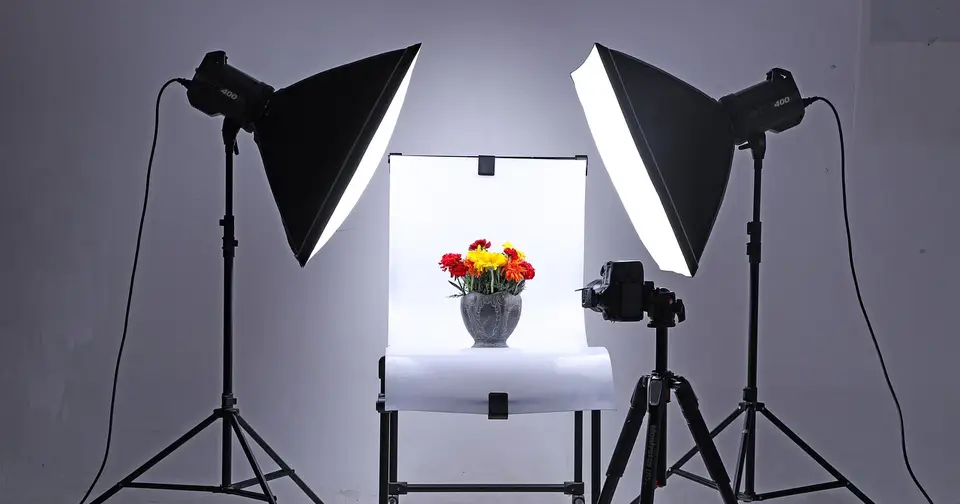
Photography Studio Insurance Cost 2026: What a Rented Space Adds to Your Premium
A photography studio with its own space usually pays about $20 to $50 a month for general liability and roughly $50 to $150 a month once property, equipment, and professional liability are added, based on insurer and broker pages published in 2025 and 2026. The lease is what moves you from freelancer pricing to studio pricing, because it adds premises liability, a landlord’s demands, and a build-out to protect.
This guide is about the studio side. If you work mostly on location, start with our photographer insurance cost guide, which covers venue certificates and second shooters in depth. Here I focus on what changes when you sign a lease, hang a backdrop, and let clients walk through your door.
How much does photography studio insurance cost in 2026?
Expect a low monthly figure for liability alone and a noticeably higher one for the full stack. The numbers below are published by insurers and brokers who sell these policies, so they are not independent benchmarks. I could not open every primary rate filing, and carriers reprice often, so check each one before you rely on it.
| Coverage | Published range | Source and date |
|---|---|---|
| General liability | About $17 to $45 a month | NEXT cites about $19; Insureon cites a median near $29 ($350 a year); Simply Business cites a median near $17; Insureon’s all-small-business figure is about $45 |
| Commercial property | About $28 to $65 a month | NEXT cites about $28 with a $1,000 deductible; one studio-focused guide cites about $65 |
| Business owner’s policy (BOP) | About $32 to $47 a month | Broker pages as of 2026; Insureon cites a median near $47 |
| Professional liability (E&O) | About $33 to $42 a month | Insureon studio median near $33; other averages in the high $30s to low $40s |
| Equipment (inland marine) | About $21 to $43 a month | Simply Business median near $21 for 2024 purchases; one vendor cites a $43 average |
| Workers’ comp (if you have staff) | About $44 to $62 a month | Insureon averages; Simply Business median near $62 for 2024 purchases |
| One studio-focused estimate for the basic package | About $21 to $38 a month | A 2026 studio guide, depending on location, limits, and staff |
Two cautions. The cheapest advertised price usually assumes a $1 million per-occurrence limit, a small deductible, and a clean claims history. And a studio in a dense city, a building with older wiring, or a space with heavy foot traffic will price above a home-based studio with appointments only.
My read: a realistic budget for a one-person studio with a lease, gear, and a laptop of client files lands in the low hundreds of dollars a month in total, not the $19 you see in the banner ad. The banner price is real, but it buys one policy.
What does a studio lease add that a freelancer does not need?
A lease adds three things: premises liability, a landlord’s insurance clause, and property you have to protect that is not gear. A freelancer who rents a venue by the day carries little of this.
- Premises liability. A client trips on a cable, a child pulls over a light stand, a parent slips on a wet entry floor. General liability is the policy that normally responds to bodily injury and property damage to third parties on your premises.
- Landlord requirements. Commercial landlords commonly ask tenants to carry general liability with the landlord named as an additional insured. Many insurers add the landlord for a small fee or none. Some leases ask for the certificate before you get the keys.
- Build-out and contents. Paint, flooring, seamless paper rigs, a cyclorama wall, shelving, and props are your investment. Depending on the lease, you may own or be responsible for improvements you paid for.
Walk through your day in the space and write down what could hurt someone and what could burn. That list is the real coverage brief. For the detailed property side, see our commercial property insurance cost guide.
What does general liability cover inside a studio?
General liability pays for third-party bodily injury and property damage that you or your business cause, plus the legal defense for covered claims. It does not pay for your own gear, your own employees’ injuries, or a client who is unhappy with the photos.
Here is how it works in practice. A bride’s mother catches a heel on a taped cable and breaks a wrist. The medical bills and any lawsuit sit under general liability. A softbox falls and dents a client’s car in the parking lot: same policy. A client’s phone is knocked off the posing stool and smashes: usually the same policy, although some contracts and policies handle damage to property in your “care, custody or control” differently.
What it will not do is cover the soft costs when you lose a wedding gallery. That belongs to professional liability, discussed below.
Typical limits cited by sellers are $1 million per occurrence and $2 million aggregate. If your landlord asks for more, ask your agent whether an umbrella policy is cheaper than raising the base limit.
Is a business owner’s policy the best fit for a studio with a lease?
For many studios, yes. A BOP bundles general liability and commercial property in one package, and it is commonly priced below the two bought separately. It also tends to include some business-interruption coverage.
| Question | BOP | Separate policies |
|---|---|---|
| Cost for a small studio | Often lower as a bundle | Often higher, but you can tune each limit |
| Includes premises liability | Yes | Yes (general liability) |
| Includes studio contents and build-out | Usually, up to a limit | Yes (commercial property) |
| Includes professional liability (E&O) | Usually no | Buy separately |
| Includes workers’ comp | No | Buy separately |
| Includes full gear coverage on location | Often limited | Equipment floater covers it |
The gaps matter. If most of your gear leaves the building for weddings or portraits at a client’s home, a BOP’s contents limit may not follow it everywhere. Read the policy for the words “off premises” and “equipment,” and see our BOP cost guide for how bundles are priced. If you also take your gear outside the studio, our inland marine insurance cost guide explains the floater that covers it.
How do I insure cameras, lenses, and lighting kept in the studio?
Gear in the studio belongs under commercial property or an equipment floater, not general liability. The floater, also called inland marine, usually covers theft, accidental damage, and loss away from your premises, which is where most gear actually gets hurt.
Three practical points.
- Schedule the expensive items. A blanket limit can leave a $6,000 lens underinsured. Photograph serial numbers and keep a dated list.
- Ask about the valuation. Replacement cost and actual cash value pay very different amounts after a theft. Ask which one the policy uses.
- Ask about rented gear. If you rent lenses and strobes for a shoot, confirm that the policy covers rented equipment, or buy the rental company’s damage waiver.
Backups matter as much as the hardware. A stolen laptop with unbacked-up client files is a bigger loss than a stolen body. Keep an offsite copy.
Why do photographers still need E&O if they have studio liability?
E&O (errors and omissions, also called professional liability) covers financial loss a client claims because your service failed. General liability generally does not. A studio can have perfect premises coverage and still be exposed to the claims that actually come up most: missed shots, corrupted files, late delivery, or a dispute over what the contract promised.
An example (a composite, not a real case): a studio shoots a corporate headshot day, and a card fails, losing a third of the portraits. The client asks for the cost of a reshoot and the lost time of forty employees. That claim is about money lost through a failed service, which is the E&O category. See our errors and omissions insurance cost guide for how premiums and retentions work.
Check three things on any E&O quote: whether defense costs erode the limit, what the deductible or retention is, and whether claims made before the policy started are excluded (they usually are).
What about workers’ comp for a studio assistant or front-desk help?
Most states require workers’ compensation once you have employees, and the exact rules on part-timers, family members, owners, and contractors vary by state. Check the rule for your state with its workers’ compensation agency; the U.S. Department of Labor’s workers’ compensation page points to state programs. I could open that page, but state rules differ and I did not verify each one.
Studios run into trouble in two ways. They call a regular assistant a “contractor” to save premium, and an auditor later disagrees. Or they hire a retoucher or receptionist and assume a general liability policy covers staff injuries, which it does not. For the cost side, see our workers’ compensation insurance cost guide. Published averages for a small photography business run roughly $44 to $62 a month, but the rate depends on payroll, state, and class code.
Does a studio need cyber insurance for client files and payments?
Probably, if you keep client data. A studio holds names, addresses, children’s faces, contracts, and payment details. A stolen laptop, a phishing email, or ransomware on your editing machine can mean notification costs, restoration, and a client demanding to know what happened.
You can buy a standalone cyber policy or add a cyber endorsement to a BOP. Pricing depends on revenue and how you store data. Our cyber liability insurance cost guide explains what a typical policy includes. A cheaper first step is basic hygiene: two-factor authentication, encrypted drives, and an offsite backup.
What about client property, models, and props left at the studio?
This is the gray area in most studio policies. Your commercial property coverage insures your property, not a client’s. A wedding dress left for a boudoir shoot, a family heirloom brought for a portrait, or a guest’s equipment in your care may only be covered if the policy includes property of others or bailee coverage. Sellers’ blogs describe this as unsettled, so get your agent to confirm in writing.
Models are a related question. A freelance model who is injured on set can claim against the studio. Written releases help with image rights, but they do not replace insurance, and a model who is actually your employee raises workers’ comp questions.
How do I shop for photography studio insurance without overpaying?
Collect your facts first, then ask for the same limits from at least three sources. The U.S. Small Business Administration’s business insurance guide lists the common coverage types and suggests working with an agent or broker. It is a neutral place to check what each type is for.
Bring this information to every quote:
- Square footage, address, and whether the building has a sprinkler system
- Annual revenue and the share from weddings versus studio portraits
- The list of gear with approximate replacement value
- Number of employees, hours, and any independent contractors
- The insurance section of your lease, in full
- Whether you offer classes or workshops, which can change the class code
Studio insurance checklist
- Lease insurance clause read and sent to my agent
- General liability with the landlord as an additional insured, if required
- Commercial property or BOP for build-out and contents
- Equipment floater for gear that leaves the studio
- E&O for missed shots, lost files, and late delivery
- Workers’ comp if I have employees, with the state rule checked
- Cyber coverage or documented data safeguards
- Written answer on client property in my care
- Gear list with serial numbers, stored offsite
- Policy renewal date in my calendar, at least 60 days ahead
Ways that usually lower the bill without gutting coverage: bundle into a BOP, pay annually if the carrier discounts it, raise your deductible to an amount you can cover in cash, and keep a claims-free record. Avoid dropping limits to match the landlord’s minimum if your real exposure is larger.
What is the most expensive mistake studio owners make?
Assuming one policy covers everything. A general liability policy does nothing for a corrupted memory card. A BOP does not replace workers’ comp. An equipment floater does not pay a client who slips on your floor. Each hole is cheap to fill before a loss and extremely expensive after one.
The second mistake is the lapse. A studio that lets a policy lapse for two weeks can lose its landlord’s goodwill or even breach the lease. Put the renewal date on a calendar and ask your agent for a certificate each year.
This article is general information, not insurance, legal, or tax advice. The premium ranges are published by insurers and brokers as of November 2026 and vary widely by state, carrier, and underwriting. Get quotes from a licensed agent and read each policy’s coverage and exclusions before you buy. Composite examples are illustrative, not real cases.
How much does photography studio insurance cost?
Published figures for a small studio run from roughly $20 to $50 a month for general liability alone and about $50 to $150 a month once you add property, equipment, and professional liability. Those ranges come from insurer and broker pages dated 2025 and 2026, so treat them as ballpark numbers and get your own quote.
Do I need different insurance for a photography studio than for a freelance photographer?
Yes, in a few places. A studio adds premises liability (clients slipping on your floor), commercial property for your build-out and contents, a landlord who wants to be an additional insured, and often a higher general liability limit. Gear, E&O, and cyber coverage work the same as for a freelancer.
Does my landlord require me to carry insurance?
Most commercial leases do. A common clause asks for general liability, often with a $1 million per-occurrence limit, plus a certificate naming the landlord as an additional insured. Your lease is the final word, so read the insurance section before you sign and send it to your agent.
Does general liability cover my cameras and lights?
No. General liability pays for injuries and property damage you cause to other people. Your own gear needs commercial property or an equipment floater (inland marine), and a studio policy often has to name both the studio contents and gear that travels to location shoots.
What does professional liability (E&O) cover for a studio?
E&O responds to claims that your work or service failed the client: missed shots, a corrupted card, lost files, late delivery, or a contract dispute. It is separate from general liability, which generally does not pay for financial loss caused by a failed service.
Do I need workers' comp for a studio assistant or receptionist?
Most states require workers' compensation once you have employees, and the rules for part-timers, family members, and independent contractors differ by state. Misclassifying a regular helper as a contractor can lead to back premiums and penalties at audit.
Is a business owner's policy (BOP) a good fit for a photography studio?
Often yes, for a studio with a lease. A BOP bundles general liability and commercial property and is commonly priced below buying the two separately. It usually does not include E&O, workers' comp, or full equipment coverage, so check what is missing.
What happens to a client's property that is left at my studio?
That is a gray area. Your property coverage insures your things, not theirs, so a client's album, dress, or borrowed gear in your care may only be covered if the policy includes property of others or bailee coverage. Ask your agent to confirm in writing.
Do I need cyber insurance for a small photography studio?
If you store client images, contracts, or payment details, a data breach or ransomware event can be costly even for a one-person studio. Standalone cyber policies and BOP add-ons exist, and the cost is often modest next to the cost of notifying clients and restoring files.
How can I lower my studio insurance cost without cutting coverage?
Bundle into a BOP, raise your deductible only to an amount you could pay in cash, pay annually instead of monthly if the carrier discounts it, keep gear lists accurate, and compare at least three quotes. Do not cut limits to match a landlord's minimum if your real exposure is larger.
관련 글
Photographer Insurance Cost 2026: What Liability, Gear, and E&O Coverage Really Run

Med Spa Business Insurance Cost in 2026: What Owners Pay and Why

Ski School Insurance Cost 2026: What Ski Resorts, Schools and Instructors Pay For

Auto Accident Fault Disputes 2026 — Comparative Negligence, Claims, and When to Litigate

Commercial Umbrella (Excess Liability) Insurance Cost 2026: A Practical Buyer's Guide for US Businesses