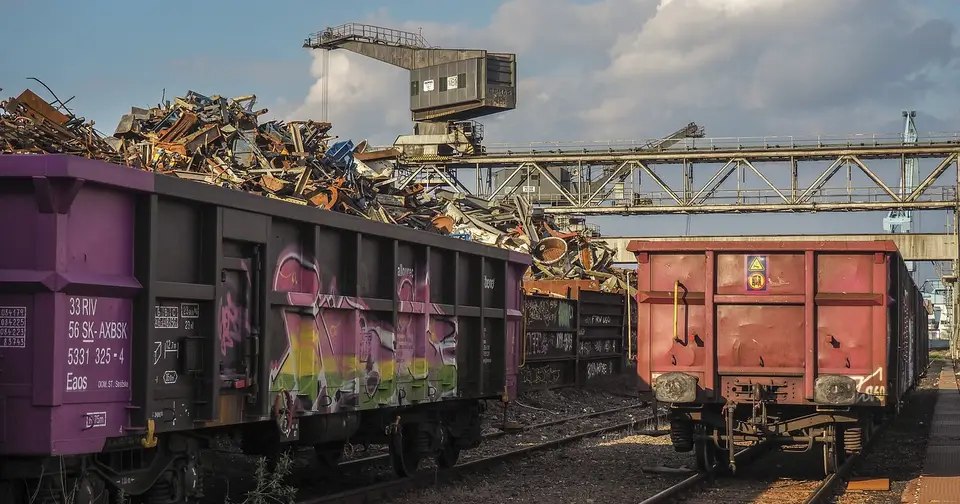
Scrap Metal Recycler Insurance Cost 2026: What Yards Pay and Why Fire Drives the Price
Scrap metal recycler insurance cost depends on what the yard does, not on its size alone. Published broker ranges as of November 2026 run from a few hundred dollars a year for a small buyer-only operation’s general liability to six-figure packages for large processors, with fire and pollution driving the high end.
I went through broker program pages, OSHA’s metal scrap recycling guidance, and EPA’s lithium-ion battery fire material to see what actually moves premiums here. A caution up front: nearly every dollar figure online comes from broker marketing, so I give ranges with the source and date and tell you where I could not verify a number. This is general information for U.S. yards, not insurance advice.
What does scrap metal recycler insurance cost in 2026?
Think of the cost as a stack of separate policies, each priced on a different exposure. The numbers below are published broker ranges I could find in a search in November 2026, and I could not open the broker sites themselves, so I am relying on search summaries.
| Source type | What it quoted | Scope | Read it as |
|---|---|---|---|
| Small-business insurance guide (TRUiC, updated Feb 2026) | About $400 to $700 a year | $1M general liability, metal recycling | Very small, low-risk operation; low end |
| Scrap business startup guide | About $1,200 to $3,000 a year | $1M general liability | Typical small scrap business |
| Wexford Insurance (scrap yard cost article) | About $1,500 to $3,500 a year | Liability for small yards | Small yard with a real storefront and stock |
| CompleteMarkets (broker program page) | $100,000 to $300,000+ a year | Estimated annual premium, large package | Large processors; full program, not liability alone |
Those four rows do not describe the same buyer. The gap between $500 and $300,000 is mostly a difference in what is being insured: a buyer who takes in copper and aluminum over a counter versus a yard running a shear, a crane, a truck fleet and an outdoor ferrous pile.
For property, workers’ comp, pollution and auto, I did not find sourced dollar ranges I trust, so I do not print any. Those lines are priced on values, payroll, location and loss history, and a recycler-focused broker will quote them in days. If someone offers you a specific number without asking about your fire controls, treat it as a placeholder.
What coverage does a scrap yard actually need?
A scrap yard needs five core policies and three that depend on how it operates. Missing any of the first five leaves a gap that a single bad day can turn into a closure.
| Coverage | What it answers | Why scrap yards care |
|---|---|---|
| General liability | Customer or visitor injury, property damage you cause | Public traffic in a yard full of moving machinery |
| Commercial property | Buildings, equipment, yard stock | Fire, wind, theft; outdoor stock is often limited |
| Workers’ compensation | Employee injury and illness | Cranes, shears, balers, heavy lifting |
| Commercial auto | Trucks, roll-offs, pickup vehicles | Hauling exposure on public roads |
| Pollution liability | Oil, fluid, heavy metal releases | Stormwater and soil exposure on site |
| Equipment breakdown | Mechanical or electrical failure of machines | Idle shear or baler halts revenue |
| Inland marine or cargo | Material and equipment in transit | Property forms often stop at your fence |
| Umbrella | Extra limits over liability and auto | One truck accident can outrun a $1M limit |
The tally changes with your model. A yard that only buys non-ferrous from walk-ins has little transit and auto exposure. A yard that sends out containers and runs its own trucks needs the full set. For detail on how each line is priced across industries, see our guides to commercial property insurance cost and commercial auto insurance cost.
Why does fire, especially from lithium batteries, drive the price?
Fire drives the price because a scrap pile is a large amount of mixed, unsorted material, and one hidden lithium-ion battery can start a fire that is hard to see and hard to put out. EPA’s analysis of waste-stream fires counted more than 240 fires caused by lithium-ion batteries at 64 facilities between 2013 and 2020, and scrap yards were among the facility types in the data (see EPA’s lithium-ion battery workshop report).
EPA also issued a 2023 memo saying spent lithium batteries are generally hazardous waste under RCRA and noting it is evaluating the universal waste battery standards because of the fires. I did not confirm whether any rule has been finalized, so check EPA’s site if that matters to your handling plan.
From an underwriter’s chair, here is the logic. Batteries arrive inside appliances, vapes, e-bikes, power tools and scrapped electronics. They look like ordinary scrap until the shear or shredder crushes them. The result is a fire that starts inside a load, sometimes hours after it was dumped. So underwriters ask:
- Do you screen loads at intake, and who is trained to do it?
- Do you segregate suspect material and keep it away from main piles and buildings?
- Do you have water supply, thermal cameras, or fixed suppression where shredding occurs?
- What is the spacing between piles and from piles to structures?
- Do you control hot work such as cutting torches?
The Institute of Scrap Recycling Industries has published fire-prevention guidance for recycling facilities that many carriers recognize. Showing that you follow a written plan helps you more than any discount code.
Does property insurance cover scrap piles, equipment and business interruption?
Property insurance usually covers fire to buildings and equipment, but coverage for outdoor stock and piles is where policies differ. Look for sublimits on property in the open, special deductibles for fire, and exclusions tied to battery fires or to the absence of suppression.
Business interruption deserves a second look. If your shear burns, the loss is not just the machine. It is weeks without processing, contracts you can’t fill, and payroll you still pay. Ask what the indemnity period is and whether extra expense is included. Our guide to equipment breakdown insurance cost covers the mechanical side, which standard property forms often exclude, and the main commercial property article explains valuation and coinsurance.
One more place yards get surprised: valuation of stock. Scrap prices swing. If you insure inventory at last year’s value and prices rise, you may be underinsured; if you report too high, you overpay. Ask whether the policy accepts periodic reporting.
Why is pollution liability the coverage yards regret skipping?
Pollution liability matters because a yard handles oil, coolant, battery acid, mercury switches, refrigerants and metals that can move into soil and stormwater, and general liability policies usually exclude pollution. A separate premises pollution or pollution legal liability policy is the standard answer.
The costs add up fast: site investigation, cleanup, third-party claims, and regulatory response. Many policies also cover transportation pollution and non-owned disposal sites, and the latter matters because you can be pulled into a dispute over where your waste ended up. Our environmental pollution liability cost guide goes through claims-made structures, retro dates and typical limits.
Read three things on any quote: the retroactive date, whether known conditions are excluded, and whether on-site cleanup of your own property is covered. Skipping this check is how a clean-looking policy turns out to cover less than the yard assumed.
How is workers’ comp priced for a scrap metal yard?
Workers’ comp is priced from payroll, a state-assigned class code, and your experience modification rate (EMR). Scrap yards are in a heavy-hazard category, so the base rate per $100 of payroll is high before any discounts. I did not find a sourced national rate I would print, so use your state’s rating bureau and your carrier’s quote.
OSHA’s guidance on metal scrap recycling lists the hazards that generate claims: struck-by and caught-in injuries around balers, shears and cranes, falls, fires and explosions, and exposure to harmful substances. OSHA’s metal scrap recycling guidance (OSHA 3348) is the document inspectors and safety consultants work from, and OSHA’s scrap metal recycling page points to current materials.
The practical levers are boring: lockout/tagout on every machine, crane and rigging inspection records, hearing and respiratory programs, and return-to-work plans. Each lowers claims, which lowers your EMR three years later. Our workers’ compensation insurance cost guide explains class codes and the EMR formula in detail. If you audit payroll honestly and classify drivers, office staff and yard crews correctly, you avoid year-end audit surprises.
What about trucks, towing and customer vehicles on site?
Trucks are a separate rating universe. Commercial auto covers liability for roll-off trucks, tractors, and pickup vehicles, and it is priced on radius, driver records and vehicle values. A yard that tows or takes in vehicles for recycling also touches garage and towing exposure.
If you operate a tow truck or hold customer vehicles, look at our related guides on towing company insurance cost and auto salvage yard insurance cost. They cover garagekeepers-style coverage, which protects other people’s vehicles in your care. Your own auto policy will not.
Umbrella coverage is worth a quote if you run trucks. A serious road accident can exceed a $1M auto limit, and an umbrella usually costs far less per dollar of limit than raising the primary policy.
How should you handle catalytic converter theft and compliance?
Catalytic converters create two different exposures: losing them to thieves, and buying stolen ones. Insurance helps with the first and does nothing for the second. Many states have added recordkeeping and holding-period rules for dealers, and details vary, so check your state’s scrap dealer law.
Examples from my search: Minnesota made it harder to sell stolen converters starting August 1, 2023, and treats seized converters as contraband; Illinois began regulating converter sales through the Secretary of State in 2025; Washington makes violating converter recordkeeping a gross misdemeanor; and Nevada separates used converters from the scrap definition and adds electronic reporting. The National Council of Insurance Legislators published a model catalytic converter law in 2023 that would require transaction records and preserving identifying marks. I could not confirm 2026 status for each state’s bills.
Insurance angle: confirm whether theft of your inventory is covered, the sublimit, and whether the policy requires locked storage or cameras. Fines and criminal penalties are not insurable. Good records, ID capture and payment rules protect you more than any endorsement.
What goes wrong when a yard thinks it is covered? (a composite)
This is a composite, not a real client. A mid-sized yard carried a property policy, general liability, and a small pollution policy. A fire started in an outdoor pile of mixed appliances and spread to a conveyor and a stack of baled material.
Three things surprised the owner. The property form capped outdoor stock at a low sublimit. The business income cover had a short indemnity period, and the shear took months to replace. The pollution policy covered third-party claims but excluded cleanup of the yard’s own soil, so firewater runoff became an out-of-pocket cost.
None of these was a hidden trick. All sat in the declarations and endorsements. The lesson is that the premium comparison happens after the coverage comparison, and a broker who knows recyclers will walk you through sublimits and exclusions before sending a quote.
How do you cut premiums without cutting coverage?
You cut premiums mostly by being the risk underwriters want. Price shopping alone rarely works in a specialty class because only a handful of carriers write it.
- Write down your fire plan and show it: intake screening, segregation, pile spacing, suppression, hot-work permits.
- Keep loss runs clean and explain old claims with what you changed afterward.
- Raise deductibles on lines where you can absorb the loss, but not pollution or catastrophic fire.
- Fix your classifications and payroll splits for workers’ comp.
- Bundle with a recycler-focused program or broker so the lines are underwritten together.
- Review limits yearly against stock values and scrap prices.
- Ask each carrier what they would need to see to improve terms next year.
Recycling is a specialty class and capacity can be thin, though I could not verify current market data. A broker who places many yards will know which carriers are actually writing.
What should you ask before you buy?
Bring this list to your broker or agent:
- Which carriers write scrap yards like mine, and are they admitted or surplus lines?
- What are the sublimits for outdoor stock, scrap piles and property away from the premises?
- What are the fire deductibles and are there battery-related exclusions?
- Does pollution cover on-site cleanup, transportation, and non-owned disposal sites?
- What is the retroactive date and are known conditions excluded?
- How is business income calculated and what is the indemnity period?
- Is cargo or inland marine included for loads in transit?
- How are workers’ comp classes assigned across drivers, yard staff and office?
Get the answers in writing, and compare coverage forms line by line. Rates and rules change, and so do the programs carriers offer, so treat the figures here as a starting point for a conversation with a licensed professional.
This article is general information about U.S. scrap metal recycler insurance as of November 2026, compiled from public sources and broker summaries, and is not insurance, legal, or safety advice. Premiums vary by carrier, state, and risk; confirm coverage terms with a licensed agent.
How much does scrap metal recycler insurance cost in 2026?
There is no single number. Published broker ranges for general liability alone run from a few hundred dollars for a tiny buyer-only operation to a few thousand for a small yard, while a full package for a large processor with shredders and cranes can reach six figures a year. Treat every figure as a planning range and get quotes from a recycler-focused broker.
What insurance does a scrap yard need?
At minimum: general liability, commercial property (including yard stock and equipment), workers' compensation, and commercial auto for trucks and roll-off vehicles. Most yards also need pollution liability, equipment breakdown, and cargo or inland marine for material in transit. Umbrella coverage sits on top of liability and auto.
Why is scrap yard insurance so expensive?
Insurers see fire, heavy-equipment injuries, and environmental releases in the same location. Hidden lithium-ion batteries in incoming loads make fires more frequent, and OSHA classes the industry as high hazard. Premiums reflect that combined exposure, not any one line.
Does general liability cover pollution at a scrap yard?
Usually not. Standard commercial general liability forms carry a pollution exclusion with narrow exceptions, so oil, fluid, or heavy metal releases from a yard typically need a separate pollution legal liability or premises pollution policy.
Does property insurance cover fires started by lithium batteries?
Fire is a covered cause of loss on most property forms, but insurers increasingly ask about battery screening and fire suppression, and may add sublimits, higher deductibles, or exclusions for scrap piles and outdoor stock. Read the yard-stock and outdoor-property wording before you bind.
Is catalytic converter theft covered?
Theft of your own inventory is covered under property or crime forms if the policy lists it, often with a sublimit. Buying a stolen converter is a different problem: it is a compliance and legal exposure, and a policy will not pay for fines or criminal penalties.
How is workers' comp priced for a scrap metal recycler?
Workers' comp is priced by payroll and a state class code, then adjusted by your experience modification rate. Scrap yards sit in a heavy-hazard class, so a clean claims history and documented safety program are the most valuable levers you have.
Can I get a lower premium with a safety program?
Yes, indirectly. Underwriters give more credit to written fire-prevention plans, battery segregation, radiation and hazmat screening at the scale, hot-work permits, and documented training than to price shopping alone. Credit is not guaranteed, but it improves which carriers will quote you.
Do I need coverage for material in transit and on the scale?
If you move loaded containers, roll-offs, or customer material, ask about cargo, inland marine, and bailee-type coverage. Standard property forms often stop at your premises, and your auto policy covers liability, not the metal in the truck.
How should I compare quotes for a scrap yard?
Line up limits, deductibles, pollution coverage, fire sublimits, and exclusions rather than just the bottom-line premium. A cheap quote that excludes pollution or outdoor stock is not the same product as a dearer one that covers them.
관련 글
Auto Salvage Yard Insurance Cost 2026: What Junkyards and Dismantlers Really Pay
Junk Removal Business Insurance Cost 2026: What Haulers Pay for GL, Truck, and Workers' Comp

Pest Control Business Insurance Cost 2026: What Exterminators Actually Pay

Key Man Life Insurance Cost 2026: Who Needs It, How Much Coverage, and What Drives the Price

Car Wash Insurance Cost 2026: Garagekeepers, General Liability and Equipment Breakdown by Wash Type