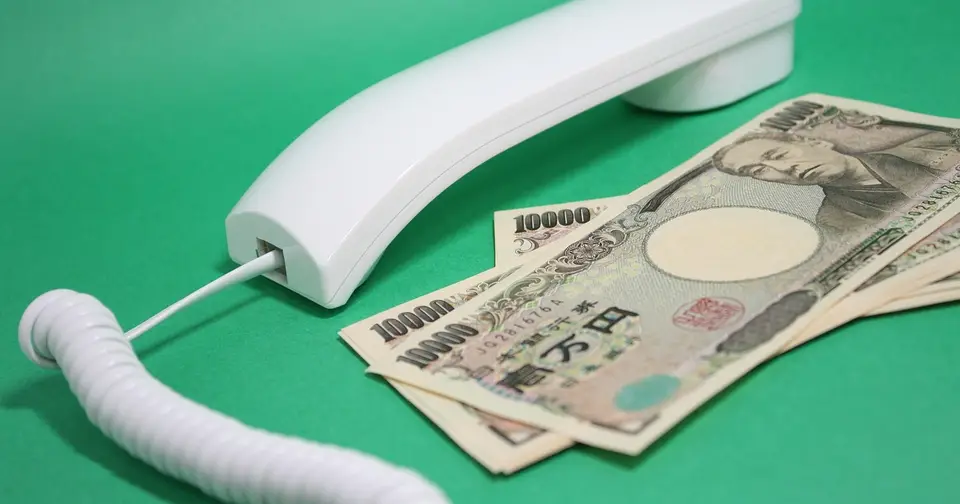
Yen Exchange Rate Explained: How to Read It and Where to Exchange Yen in 2026
The yen exchange rate is the number of Japanese yen one US dollar buys, quoted as USD/JPY. At a rate of 159, one dollar gets you 159 yen, and a 1,000-yen ramen costs roughly $6.29 before any fees.
That sounds simple until the headlines start throwing “160 yen” around. This guide explains how to read the quote, why traders watch certain levels, and how the way you get your yen can matter as much as the rate itself. All market figures below come from news reports dated November 2026, not from a live feed, so check a current quote before you do anything.
What is the yen exchange rate, and how do I read it?
Think of it as a price tag on the dollar, written in yen. USD/JPY at 159.4 means $1 costs 159.4 yen. The bigger the number, the weaker the yen.
Trading Economics showed the pair at about 159.4 on November 18, 2026, in a summary I pulled while writing this. Take that as a snapshot, not a quote you can act on.
The math is easy to do in your head if you keep two shortcuts handy.
| Task | Formula | Example at 159.4 |
|---|---|---|
| Yen price to dollars | yen divided by rate | 10,000 yen is about $62.73 |
| Dollars to yen | dollars times rate | $100 is about 15,940 yen |
| Hotel night check | nightly yen divided by rate | 18,000 yen is about $112.92 |
Two things trip people up. First, the direction: when the rate climbs from 150 to 160, the yen got weaker, and Japan got cheaper for you. Second, the rate you see on Google or in the news is the mid-market rate. Nobody sells you yen at exactly that number. You will always pay or receive something a little worse, and how much worse depends on the channel.
Why does 160 yen per dollar keep making headlines?
Because markets treat the 160 area as a point where Japanese officials might intervene to prop up the yen. It is a reading of behavior, not a written rule.
Reports on November 13, 2026 said the pair had briefly climbed above 160 on November 12, to 160.03 in New York trading, before slipping back toward the high 159s as traders feared intervention. Earlier, Japan spent a record 15.4 trillion yen defending the currency in late July and early August, according to strategist commentary summarized by FXStreet. I could not confirm any new intervention in November. Japan’s Ministry of Finance publishes its actual operations afterward in its foreign exchange intervention data, which is the place to verify a claim before you repeat it.
Interest rates sit behind the story too. The Bank of Japan’s policy rate was reported at 1.25% after its September 2026 statement, and that figure should be checked against the Bank of Japan’s own site. The wider the gap between US and Japanese rates, the more pressure on the yen tends to build, though one headline never explains a move on its own.
What this means for your trip: when intervention talk is loud, the rate can jump several yen in a day. Spreading your purchases out beats trying to catch one perfect moment.
Is a weak yen good for travelers from the US?
For the person holding dollars, yes, mostly. Each dollar buys more yen, so the same trip costs fewer dollars than it did a few years ago. A weak yen is not free money, though.
Japanese hotels, restaurants and attractions price in yen. Tourist-heavy places have been raising prices, so some of the exchange-rate discount gets eaten before you land. A good habit is to budget the trip in yen first, then convert the total at a conservative rate. If the rate is 159, plan as if it were 150. Anything better is a bonus, and a sudden swing in the other direction does not wreck the budget.
If your plans include spring in Osaka or Kyoto, the Japan cherry blossom travel guide helps you estimate how many days you will spend and how much cash each day needs. Keep in mind that blossom season is also peak-price season.
What is the cheapest way to get yen as an American?
For most people it is a debit card with no foreign transaction fees, used at a Japanese ATM or a shop’s card reader, paid in yen. Airport kiosks and hotel desks tend to be the most expensive.
Here is how the main routes compare. Exact fees vary by bank and card, so treat this as a structure, not a quote.
| Route | Where the cost hides | Best use |
|---|---|---|
| Debit card at a Japanese ATM | Your bank’s ATM or foreign fee, ATM operator fee | Main source of cash |
| No-foreign-fee credit card | Little, if the card truly has none | Hotels, big stores, trains |
| US bank currency order | Wide margin in the rate, order lead time | Small arrival-day stash only |
| Airport exchange kiosk | Often the widest margin | Emergencies |
| Money changers in Japan | Varies widely by shop | When your card fails |
| Exchange apps or multi-currency accounts | Small conversion spread, plan limits | Frequent travelers |
Three rules cover most of it. Always choose to pay in yen when a terminal asks. Check whether your card charges a foreign transaction fee, typically around 3% on cards that do. And do not buy more cash than you will reasonably spend, because getting rid of leftover yen costs you another spread on the way out.
For a broader framework that works in any country, the where to exchange currency for travel guide runs through the same logic with other destinations.
Why is the rate on my screen different from the rate I get?
Because the number in a news story or search box is the mid-market rate, the halfway point between what buyers and sellers are quoting. A retail provider quotes one price to sell you yen and a lower one to buy yen back, and the gap between the two is the spread. A card network or ATM may also add a fee on top.
A quick way to measure what you actually paid: divide the dollars that left your account by the yen you received, then compare that with the mid-market rate for the same day. If the mid-market rate was 159.4 and you received 150 yen per dollar, you paid about 5.9% over the market in effect. Do this once on your first withdrawal, and you will know whether your card, your bank and your habits are working for you or against you. Providers that advertise “no commission” often earn their money entirely in the rate, so the quoted fee alone never tells the full story.
What does a bad yen exchange look like?
A bad exchange usually looks like convenience: exchanging at the airport, accepting the dollar charge on a card machine, and converting leftover cash back at the end. Each step feels small, and together they cost real money.
Here is a composite example, not a real traveler. Say someone lands in Tokyo and swaps $400 at an arrival-hall counter because they are tired. The counter quotes a rate well below mid-market, and a flat fee takes another bite. Later at a department store, the terminal offers to bill in dollars, and they say yes because the screen shows a familiar number. The store’s rate for that conversion is worse than their card’s. On the last day, they are left with 12,000 yen and convert it back at the airport, paying the spread a second time.
None of those moves is dramatic. Added up, it can run to double digits in dollars on a mid-sized trip. The fix is boring: use an ATM for cash, always pay in yen, and carry less cash than you think you need.
Money you send abroad has its own cost structure. If you are moving larger sums rather than buying spending money, the international money transfer fee comparison shows how banks and fintechs differ.
When is the best time to exchange yen?
There is no reliable best time, because no one can predict short-term currency moves consistently. A better question is how to reduce the damage of a bad day.
Two practical ways to do that:
- Split your buying. If you need $1,000 worth of yen, take it out in two or three withdrawals during the trip instead of one at the start.
- Use cards for the bulk of spending. Cards convert at the day’s network rate, which removes the timing decision entirely for most of your budget.
The temptation is to wait for a “better” rate before leaving. That works until the yen weakens further and you realize you were right about the direction but already locked in a worse number, or the rate climbs back and you panic at the airport. Spreading it out spares you from either regret.
Currency forecasting is an area where confidence runs ahead of evidence. The dollar forecast guide takes the same stance: manage the risk you carry instead of betting on a prediction.
Do I need to declare cash when traveling to Japan?
Yes, above a threshold. Japan Customs requires travelers to declare cash and certain securities worth more than about one million yen. The amount and the process can change, so look at the Japan Customs passenger information before you go.
On the US side, carrying more than $10,000 in currency across the border in either direction requires a report to Customs and Border Protection, as explained on the CBP website. Most tourists never come near either line, but anyone paying a long-term rental deposit in cash or carrying business funds should know both exist. Carrying lots of cash is also a theft risk. Cards and ATMs reduce that.
Is buying yen a smart investment?
It is a currency position, and currencies can move against you as easily as for you. Treat it as separate from your travel money.
If you hold dollars and buy yen as a bet on the dollar rising further, you win if USD/JPY climbs and lose if the Ministry of Finance intervenes or the Bank of Japan tightens and the yen rebounds. A rate move of a few yen in a day is common in the weeks around intervention talk. A savings account in yen earns whatever the bank pays on yen deposits, which has historically been low, and the exchange-rate swing can swamp the interest.
There is also a tax angle for US residents. Foreign currency gains can be taxable, and personal currency transactions have special rules, so look at the IRS guidance on foreign currency or ask a tax professional before trading. Most travelers should skip speculation altogether and focus on avoiding unnecessary fees.
How do I protect myself from surprises on the trip itself?
Do the boring prep. Tell your bank you are traveling if it still asks, turn on transaction alerts, and carry a second card in a separate bag. Keep a small amount of yen cash because plenty of small Japanese shops, shrines and rural buses still prefer it.
A short pre-trip checklist helps:
- Confirm your debit card works at overseas ATMs and note the daily limit.
- Check the foreign transaction fee on every card you plan to carry.
- Save a screenshot of the day’s mid-market rate so you can spot a bad quote.
- Decide your daily cash budget in yen before you leave.
For the rest of the trip logistics, the travel packing checklist and the travel insurance comparison cover what the exchange desk will not. If you are heading to Korea instead, the same method applies, and the Korea Golden Week no-fee card versus exchange comparison shows the same trade-offs in won.
Rates in this article are drawn from November 2026 news and market summaries, and I could not open every primary source directly, so verify figures with an official or live source. The yen exchange rate moves daily, and none of this predicts where it goes next.
This article is general information, not investment, tax or financial advice. Exchange rates, fees, customs thresholds and card terms change, so confirm current details with your bank, card issuer and the official agencies linked above before you travel or trade.
What is the yen exchange rate and how do I read it?
The yen exchange rate tells you how many yen one US dollar buys, written USD/JPY. If it reads 159, one dollar buys 159 yen, so a 1,000-yen item costs about $6.29. A higher number means a weaker yen and cheaper Japan prices for dollar holders.
Why does 160 yen per dollar keep making headlines?
Markets treat the area around 160 as a level where Japanese authorities may step in to support the yen. There is no official line. News reports said the pair briefly touched 160.03 on November 12, 2026 before easing back, and the Ministry of Finance publishes intervention data after the fact.
Is a weak yen good for Americans traveling to Japan?
Generally yes, because each dollar buys more yen, so hotels, food and transit cost fewer dollars. The catch is that prices in yen can rise and rates can swing quickly, so budget in yen and keep a buffer instead of assuming today's rate holds.
Where is the best place to exchange dollars for yen?
For most travelers, withdrawing yen from a Japanese ATM with a no-foreign-fee debit card, or paying by card in yen, beats airport kiosks. Airport and hotel counters usually build a wide margin into the rate. Check the actual rate and any fee before you commit.
Should I buy yen before I leave the US?
Only a small amount, if any. Cash bought at a US bank or airport kiosk tends to carry a poor rate, and ordering ahead adds delivery or pickup friction. A modest stash for arrival day is reasonable, and the rest is usually cheaper to pull from an ATM in Japan.
What is dynamic currency conversion and should I accept it?
Dynamic currency conversion (DCC) is when a terminal or ATM offers to charge you in dollars instead of yen. It sounds convenient but usually bakes in a worse exchange rate. Choose to pay in the local currency, yen, and let your card network convert.
Do I need to declare cash when entering Japan?
Japan's customs rules require a declaration when you bring in cash or securities above a threshold, about one million yen at the time of writing. Rules change, so check Japan Customs before you travel. The US also has its own reporting rule for amounts over $10,000 leaving or entering.
Can I use the same advice if I am visiting Korea?
The mechanics are the same: compare the real rate you get, avoid dollar conversion at the terminal, and use a no-foreign-fee card. For Korea the quote is won per dollar instead, so the number you watch is USD/KRW. Won per 100 yen matters mostly for travelers moving between the two countries.
Is buying yen a good investment?
It is a currency bet, not a savings plan. Gains or losses follow the exchange rate, and policy moves, rate gaps and intervention can swing it fast. Keep travel money separate from speculation, and only speculate with money you can afford to lose. This is general information, not advice.
관련 글
Best Way to Exchange Money in Korea: Airport, Banks, Myeongdong Shops and ATMs Compared
Korea Hope Savings Account (희망저축계좌) 2026: Who Qualifies, What the Government Adds, and How to Apply

Korea Modu Card Transit Pass: Convenience Store Guide and Refund Rules (2026)

Excel Budget Spreadsheet: Build One in 30 Minutes With the 50/30/20 Rule (2026)
Gig Worker Tax Guide 2026: Delivery, YouTube & Content